Tunneling Technology
Conquering the Subterranean Geology
Constructing a subterranean transit network is fundamentally a war against geology. Engineers must navigate erratic soil compositions, hidden subterranean rivers, fault lines, and the immense pressure of the earth and urban infrastructure resting above. The technological evolution of excavation has moved from manual pick-and-shovel labor to mechanized titans.
The Tunnel Boring Machine (TBM)
The undisputed king of modern subterranean construction is the Tunnel Boring Machine. A TBM is essentially a moving factory. At its front, a massive rotating cutterhead equipped with tungsten carbide disc cutters fractures bedrock and excavates soil. As the machine inches forward, the excavated material, known as muck, is passed via conveyor belts back through the machine to the surface.
Simultaneously, the rear section of the TBM utilizes robotic arms to position precast concrete segments into place, bolting them together to form a permanent structural ring. High-pressure grout is then injected behind these rings to seal the tunnel against water ingress and prevent surface subsidence.
Earth Pressure Balance and Slurry Shields
When tunneling through soft, water-logged soils—such as those found under Shanghai or London's Docklands—standard TBMs risk collapsing the tunnel face. Engineers deploy Earth Pressure Balance (EPB) or Slurry Shield TBMs. These machines pressurize the excavated soil within a sealed chamber directly behind the cutterhead, precisely matching the pressure of the surrounding ground. This equilibrium prevents the collapse of the surface above and keeps groundwater at bay.
Cut-and-Cover vs. Deep Bore
While deep bore tunneling minimizes surface disruption, it is expensive and requires passengers to descend deep into the earth. Cut-and-cover, where a massive trench is dug from the surface and roofed over, remains heavily utilized for station boxes where massive open volumes are required for concourses and platforms. The structural diaphragm walls of these boxes are often poured deep into the earth before excavation even begins, holding back the surrounding soil as the interior is hollowed out.
Logistical Anomalies
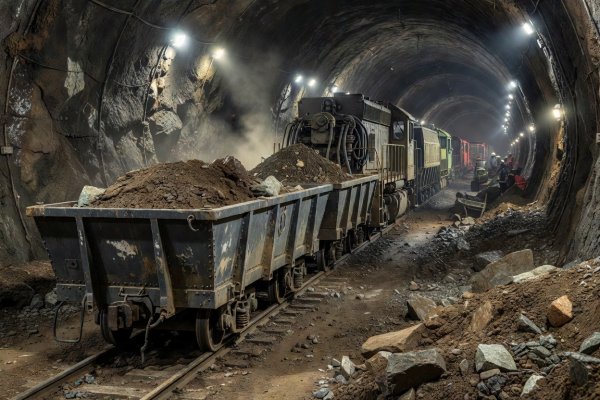
Muck Extraction
Removing hundreds of thousands of tons of excavated earth from dense city centers requires complex logistical chains, often utilizing barges and nighttime rail freight.
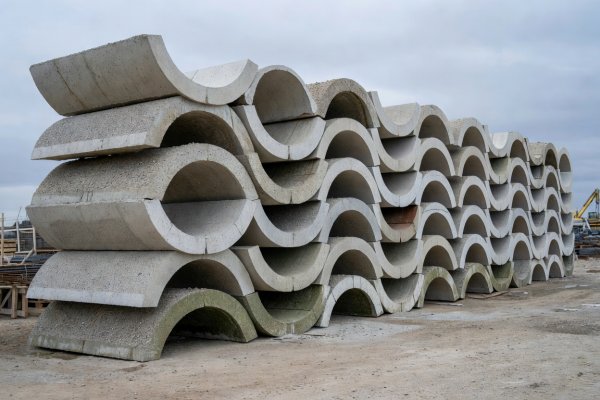
Segment Casting
Concrete structural rings must be cast with millimeter precision in temporary factories, brought underground via specialized rail carts to feed the advancing TBM.